Merciful Plate Launches Comprehensive Resource Exploring Islam, Animal Ethics and Plant-Based Living
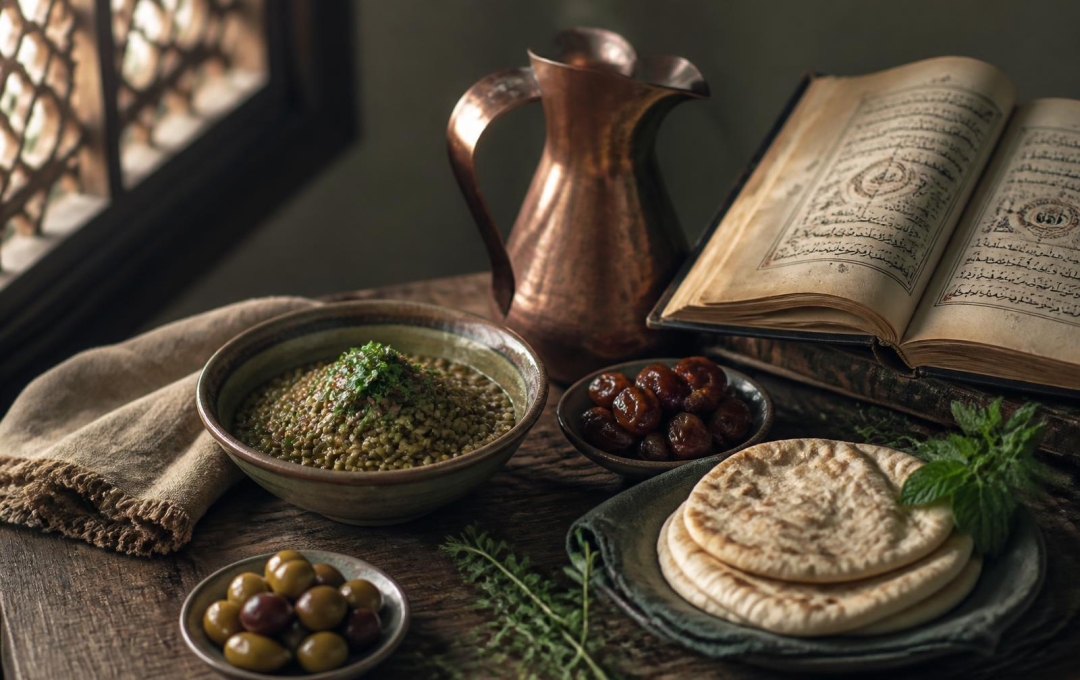
London, United Kingdom – September 14, 2026 – Merciful Plate, an independent online resource exploring the relationship between Islam, animals, food systems and plant-based living, has launched a comprehensive collection of resources examining an increasingly important question at the intersection of faith and modern food culture: What does Islamic ethics have to say about the way humans treat animals and the food they choose to eat?
Available at Merciful Plate, the website brings together Islamic sources, jurisprudence, contemporary scholarship, animal-welfare questions, environmental considerations and practical guidance for Muslims interested in eating more plant-based foods.
Rather than presenting a single religious verdict, Merciful Plate approaches these questions as an independent educational project. The website examines Islamic sources and contemporary perspectives while acknowledging areas of disagreement and uncertainty.
Exploring the Relationship Between Islam and Animals
At the foundation of Merciful Plate is the idea that questions about animals and food deserve to be examined within the Islamic intellectual tradition rather than treated simply as a modern debate between veganism and meat consumption.
The website explores Quranic teachings concerning animals, prophetic traditions about compassion and the broader Islamic principles that shape humanity’s relationship with the natural world. These subjects provide a foundation for examining whether contemporary treatment of animals is consistent with the ethical values traditionally associated with mercy, responsibility and stewardship.
Halal, Tayyib and Ethical Food Choices
One of the central themes of Merciful Plate is the distinction between halal and tayyib.
The concept of halal generally concerns what is legally permissible, while tayyib introduces a broader consideration of what is wholesome, good or appropriate. This distinction can raise important questions about modern food production.
A product may satisfy a conventional halal requirement while still raising questions about animal welfare, environmental impact, waste, production conditions or other ethical considerations.
Merciful Plate does not claim that these considerations automatically make animal products unlawful. Instead, it encourages readers to consider whether ethical responsibility should form part of the way Muslims evaluate their food choices.
Modern Animal Agriculture and Factory Farming
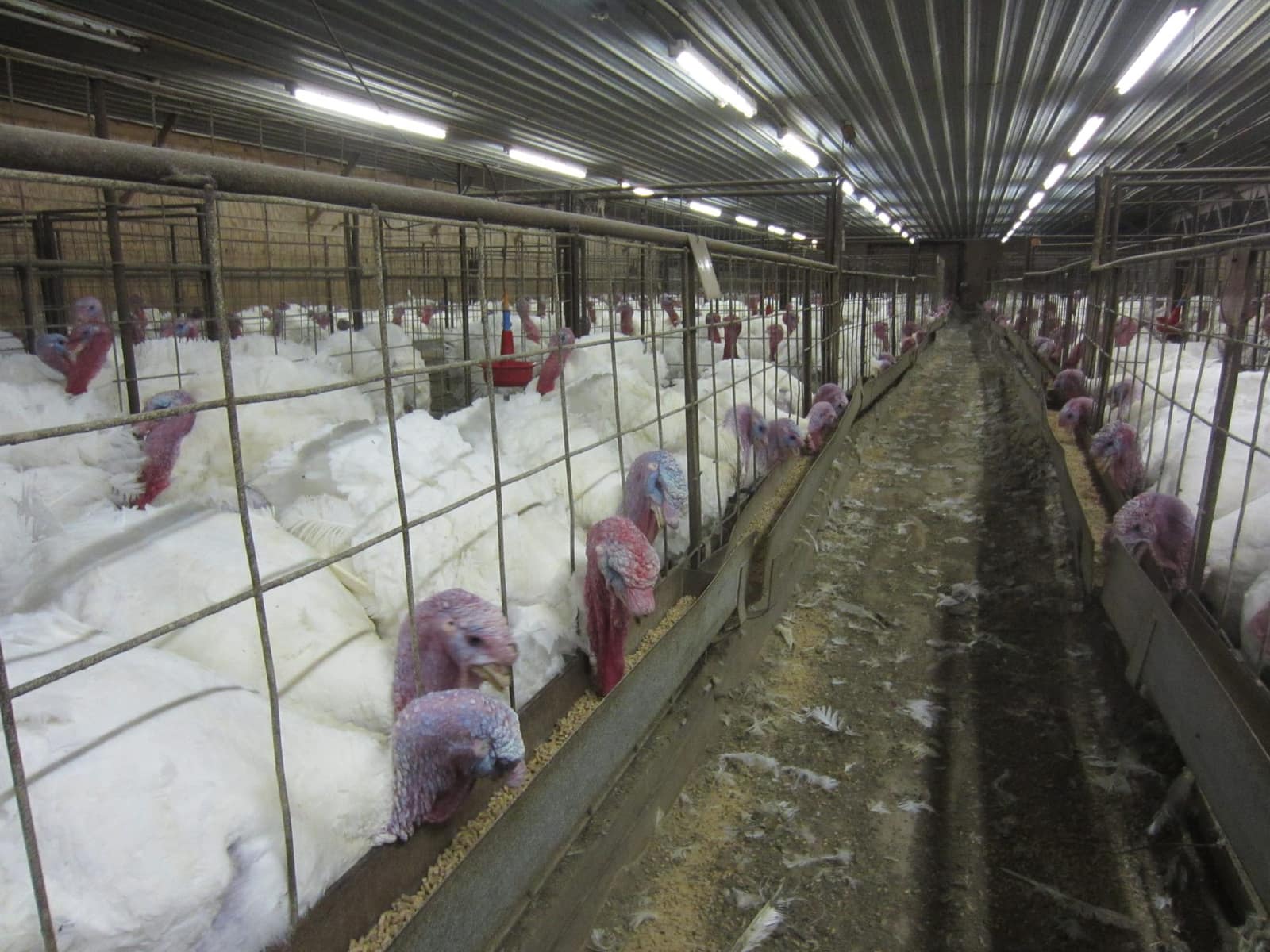
The website also examines the transformation of animal agriculture from traditional farming systems to highly industrialized global supply chains.
Modern factory farming can involve intensive confinement, large-scale breeding, transportation, mechanized processing and highly concentrated production systems. These practices raise questions that may not have existed in the same form when classical Islamic jurisprudence developed.
Merciful Plate examines these issues alongside Islamic principles concerning cruelty, harm, mercy and responsible consumption.
One of the site’s central questions is whether the legal permissibility of eating an animal automatically resolves every ethical question associated with the way that animal was raised and slaughtered.
Is Factory-Farmed Meat Haram?

The question of whether factory-farmed meat is haram is among the most sensitive subjects addressed by Merciful Plate.
The website does not present this as settled Islamic doctrine. Instead, it considers arguments supporting greater restrictions as well as arguments supporting continued permissibility.
Arguments for greater concern can involve Islamic teachings concerning cruelty, unnecessary harm, environmental destruction and responsible treatment of animals. Counterarguments emphasize the importance of established jurisprudence, the distinction between producers and consumers, differences between individual farms and the caution required before declaring something haram.
This approach allows readers to understand the disagreement rather than simply receiving a predetermined conclusion.
Merciful Plate does not claim that meat is universally haram and does not present itself as a religious authority issuing fatwas.
Qurbani, Eid and Religious Tradition
Any serious examination of Muslim plant-based living must also address Qurbani and Eid al-Adha.
Animal sacrifice occupies a distinctive place within Islamic religious practice, and it cannot simply be treated as an ordinary dietary decision.
Merciful Plate examines the religious meaning of Qurbani while considering how contemporary discussions about animal welfare and ethical consumption interact with established religious traditions.
The objective is not to erase the distinction between religious worship and personal dietary choices, but to give readers a space to consider both subjects carefully.
The Sunnah and Meat Consumption
Merciful Plate also examines historical claims concerning the diet of the Prophet Muhammad.
Rather than claiming that the Prophet was vegetarian, the website considers the available historical and hadith evidence concerning meat consumption and asks what conclusions can reasonably be drawn from those sources.
This cautious approach reflects the site’s broader editorial philosophy: religious claims should be based on evidence rather than on assumptions created to support a modern conclusion.
Environmental Responsibility and Food
The ethical discussion extends beyond animal suffering to the environmental consequences of modern food production.
Animal agriculture can involve significant land, water and resource use, while intensive food production can contribute to environmental pressures and waste.
Merciful Plate examines these issues through the lens of Islamic concepts concerning stewardship, moderation and responsibility toward creation.
The discussion does not assume that environmental concerns automatically produce a specific religious ruling. Instead, it asks how environmental evidence might inform broader Islamic discussions about responsible consumption.
Practical Plant-Based Guidance for Muslims
Merciful Plate is not limited to theology or philosophical debate. The website also provides practical information for Muslims who are interested in reducing or eliminating animal products.
Its guidance covers subjects such as transitioning toward plant-based eating, navigating family and community situations, maintaining an appropriate nutritional intake, observing Ramadan while eating plant-based foods and finding suitable options when eating outside the home.
The Getting Started with Plant-Based Eating resource provides practical guidance for people who want to begin making changes without treating dietary transformation as an all-or-nothing process.
Nutrition and Responsible Dietary Choices
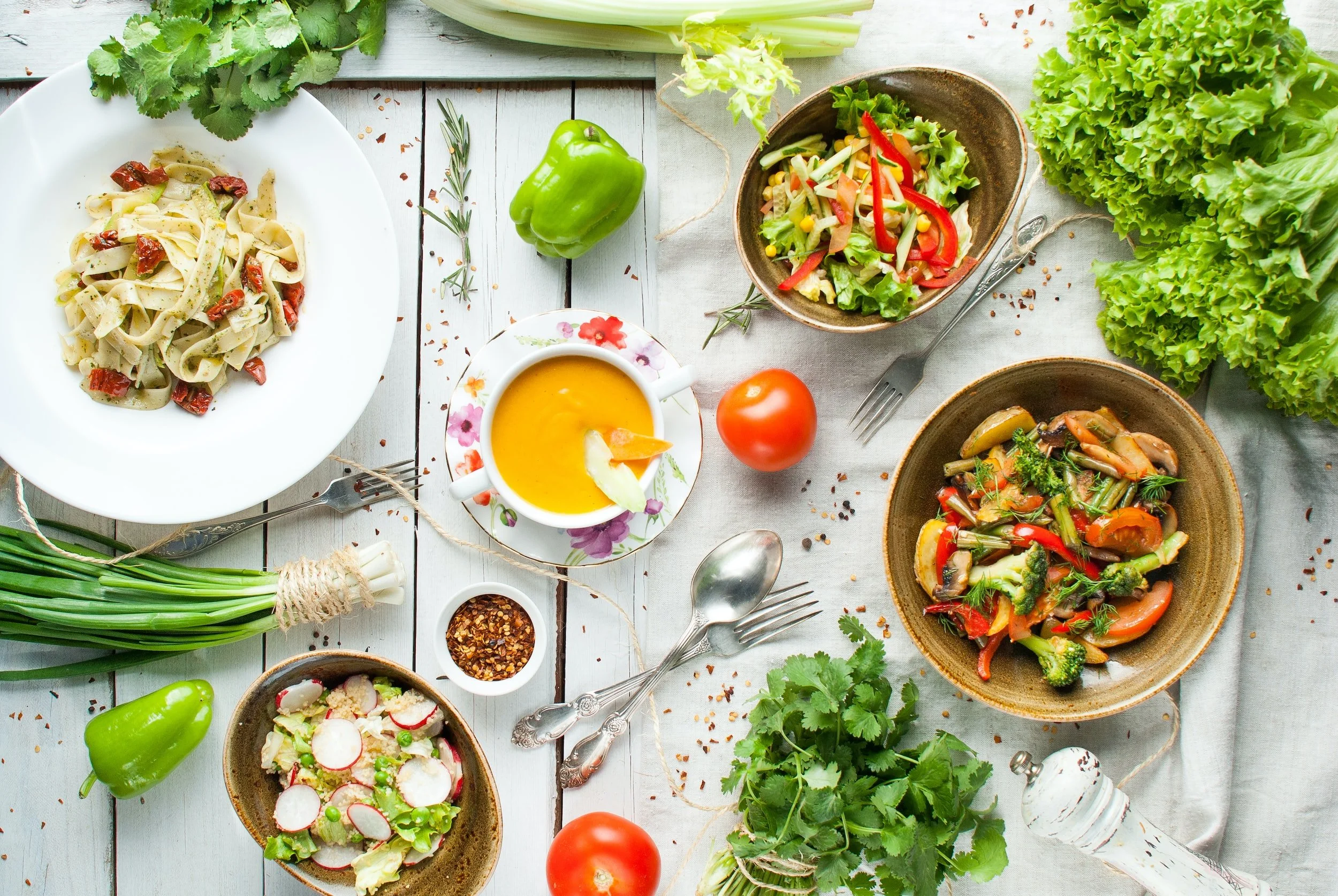
Merciful Plate also recognizes that ethical intentions should be accompanied by responsible dietary planning.
Plant-based diets can provide adequate nutrition when appropriately planned, but certain nutrients deserve particular attention. The website discusses subjects such as protein, vitamin B12, iron and other nutritional considerations.
The goal is to help readers approach plant-based eating responsibly rather than assuming that simply removing animal products automatically creates a nutritionally complete diet.
Veganism, Halal and Muslim Consumers
Another important issue is the relationship between vegan and halal food.
Vegan and halal are different concepts. A food can be vegan without necessarily meeting every halal requirement, while a halal food can contain animal products that are incompatible with veganism.
Merciful Plate helps readers understand these distinctions and navigate food labels, ingredients and certification systems.
This can be particularly useful for Muslims who are transitioning toward plant-based diets while continuing to observe halal requirements.
Sunni and Shia Perspectives
Islamic jurisprudence encompasses diverse traditions, methodologies and scholarly perspectives.
Merciful Plate therefore seeks to avoid presenting one interpretation as though it represents every Muslim.
The website examines both Sunni and Twelver Shia perspectives on subjects relevant to animal ethics, slaughter, Qurbani, seafood, purity and hadith interpretation.
This comparative approach allows readers to identify areas of common ground while also recognizing genuine differences between traditions.
Documenting Real Muslim Experiences
For many Muslims, plant-based eating is not simply an intellectual question.
Food is connected to family, hospitality, cultural traditions, religious celebrations and community identity. Changing one’s diet can therefore involve challenges that extend well beyond nutrition.
Merciful Plate’s Stories and Individual Journeys section presents real experiences from Muslims who have incorporated plant-based eating into their lives, providing a more personal perspective on the subject.
These experiences demonstrate the diversity of motivations and circumstances behind plant-based choices within Muslim communities.
An Evidence-Based Approach
Merciful Plate emphasizes the importance of evidence and transparency.
The project seeks to distinguish between established Islamic teachings, historical interpretations, contemporary scholarly opinions and modern ethical arguments. It also acknowledges areas where sources are disputed or where multiple interpretations exist.
The website’s About Merciful Plate section explains its editorial approach and clarifies that the project is intended as an educational resource rather than a substitute for qualified religious scholarship.
This distinction is particularly important when discussing questions involving halal, haram and Islamic jurisprudence.
Moving Beyond a Simple Halal or Haram Question
Perhaps the broader purpose of Merciful Plate is to encourage readers to move beyond a simple halal-or-haram framework when thinking about food.
Questions about food can also involve mercy, responsibility, environmental stewardship, moderation, animal welfare and personal conscience.
The website’s Open Letter to Muslims on Animals, Food and Mercy brings these themes together and invites Muslims to consider how Islamic values might inform their relationship with animals and modern food systems.
The project does not insist that every Muslim must reach the same conclusion.
Instead, it encourages readers to investigate the evidence, understand different Islamic perspectives and consider how their own food choices relate to the ethical principles they value.
A Growing Resource for an Emerging Conversation
As interest in plant-based eating, animal welfare, environmental sustainability and ethical consumption continues to grow, questions about the intersection of these subjects with religious traditions are becoming increasingly relevant.
Merciful Plate provides a dedicated space for examining these questions through an Islamic framework while recognizing the diversity of Muslim thought.
The website brings together Islamic theology, Quranic studies, hadith, Islamic jurisprudence, animal ethics, food-system research, environmental issues, nutrition and practical dietary guidance in one growing resource.
For Muslims who are already vegan or vegetarian, Merciful Plate provides an opportunity to explore the relationship between their dietary choices and Islamic teachings.
For Muslims who are considering reducing their consumption of animal products, it provides practical resources and background information.
For researchers, journalists, animal advocates and members of the wider public, it offers an accessible introduction to an emerging area of discussion.
Ultimately, Merciful Plate seeks to encourage a more thoughtful conversation about faith, food, animals, mercy and responsibility.
About Merciful Plate
Merciful Plate is an independent educational website focused on Islamic ethics, animals, food systems and plant-based living. The platform examines Islamic sources, jurisprudence, scholarly perspectives, contemporary animal agriculture, environmental stewardship and the practical experience of plant-based living. Merciful Plate is not a fatwa service or religious institution and does not claim that meat is universally prohibited in Islam. Its purpose is to provide carefully considered information and encourage informed discussion about faith, animals, food and mercy.
Website: https://mercifulplate.org/
Media Contact
Company Name: MercifulPlate.org
Contact Person: Media Relations
Email: Send Email
Country: United Kingdom
Website: https://mercifulplate.org/


